


Rigid vs Flexible: How Custom Packaging Boosts Shelf Appeal?
Release time: 2026-03-19
In today’s hyper-competitive retail environment, a brand has precisely three to five seconds to capture a consumer’s attention. If your product blends into the background, the quality of what’s inside simply doesn’t matter. Traditional packaging formats are rapidly losing their edge as brands battle for visual dominance.
This brings us to a critical crossroad: how can you balance exceptional product protection with undeniable visual magnetism without inflating your costs? The answer lies in the strategic shift toward advanced packaging technologies that prioritize both aesthetics and engineering.
The Shelf Appeal Battle: Rigid Containers vs. Flexible Solutions
When assessing packaging strategies, many brands default to rigid containers—glass jars, aluminum cans, or thick plastic tubs. While functional, they come with significant drawbacks that hinder shelf appeal and profitability.
Design Limitations: Rigid formats offer restricted surface areas for branding. A cylindrical bottle only allows a label to be viewed from specific angles, limiting your billboard space.
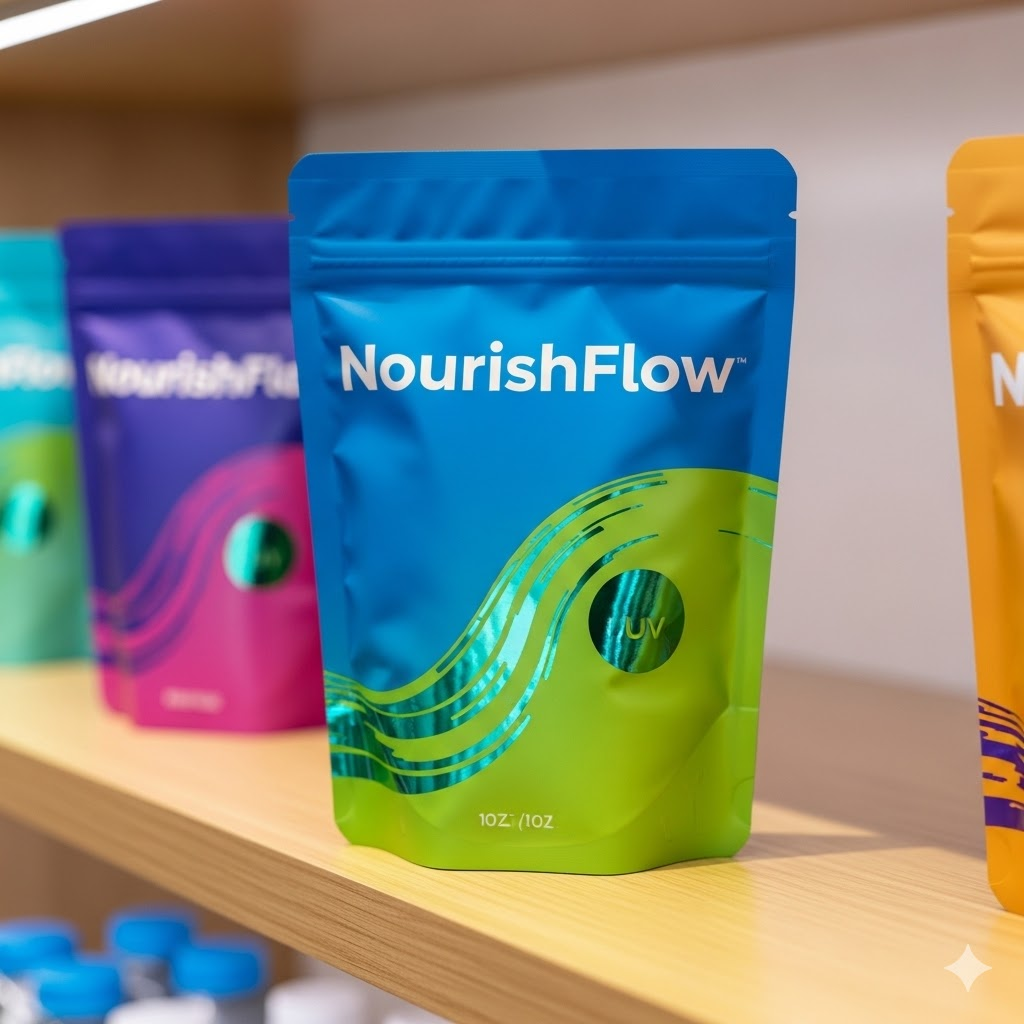
Visual Fatigue: The structural rigidity means less room for innovative shapes. Stand-up pouches, on the other hand, offer 360-degree graphics, custom shapes, and an expansive canvas for storytelling.
Consumer Perception: Modern buyers associate premium, lightweight pouches with innovation and sustainability. Bulky containers often feel dated and less convenient for on-the-go lifestyles.
The Engineering Behind High-Performance Aesthetics
Achieving true shelf appeal is not just about slapping a bright graphic on a bag; it requires a complex synergy of materials and printing technologies. This is where High-Performance Custom Flexible Packaging fundamentally changes the game.
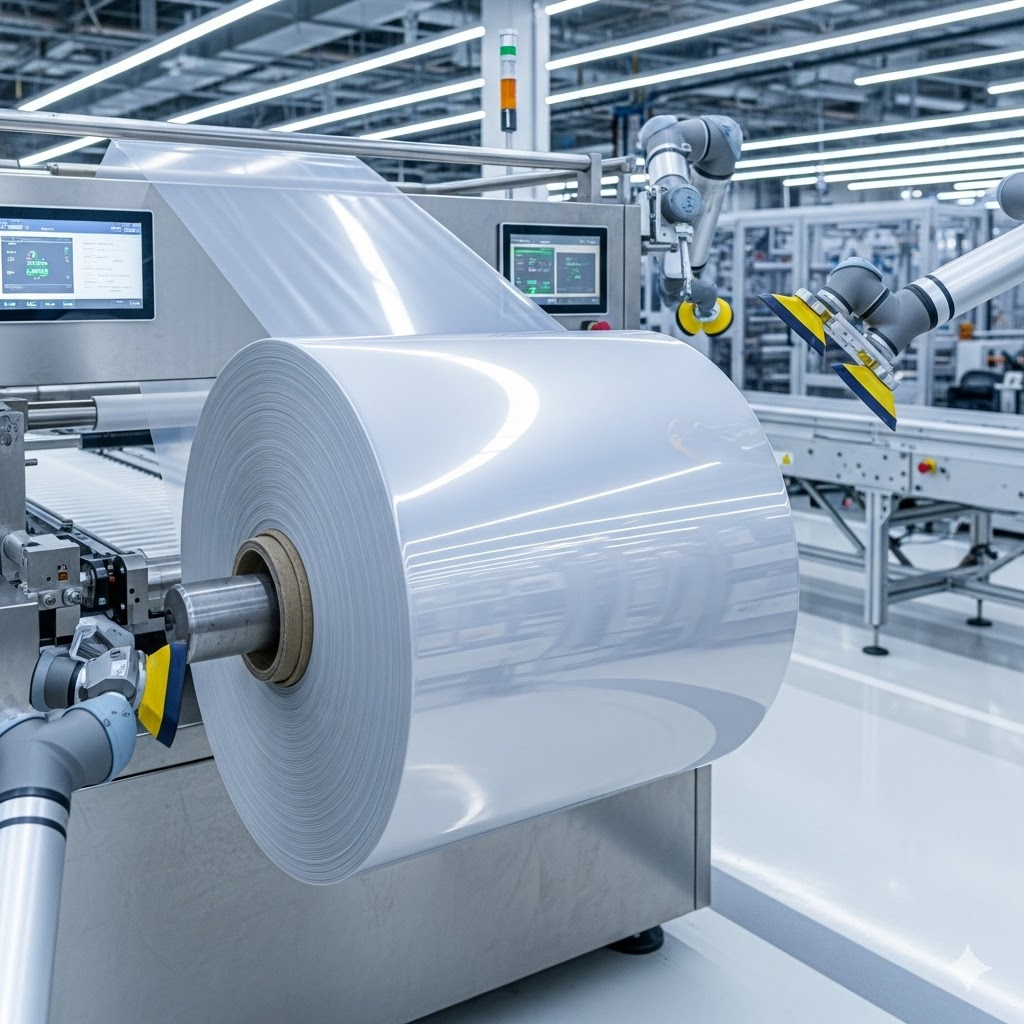
Advanced Base Films: The foundation of any striking package is its substrate. Utilizing multi-layer co-extruded films or metallized films ensures that the outer layer remains perfectly smooth and vibrant, while the inner layers provide an impenetrable barrier against oxygen and moisture. This prevents the packaging from crinkling or degrading over time.
Precision Printing Capabilities: High-definition flexographic and gravure printing require specialized substrates. With the right Premium Packaging Base Films, brands can achieve photorealistic imagery, intricate gradients, and tactile finishes (like matte-gloss combinations or soft-touch textures) that invite consumers to physically engage with the product.
Functional Add-ons: Features like custom injection-molded spouts or resealable zippers don’t just add convenience; they signal a premium product experience, elevating the perceived value of the brand right from the shelf.
The Secret to Consistency: An Integrated Supply Chain
A major pain point for procurement managers is the “Frankenstein” packaging process—sourcing films from one vendor, inks from another, and converting elsewhere. This fragmentation frequently leads to color inconsistencies, delamination issues, and compromised shelf impact.
By partnering with a fully integrated manufacturer like Novel Packaging, brands eliminate these risks. Because we produce our own High-Quality Printing Inks, base films, and injection molding components in-house, we guarantee perfect compatibility. The ink adheres flawlessly to the film, the colors remain universally consistent across thousands of runs, and the structural integrity is never compromised. The result is a striking, flawless product presentation that reliably stops consumers in their tracks.