



Cómo elegir la película base adecuada para envases de alimentos de alta barrera.
Fecha de lanzamiento: 24/04/2026
Tabla de contenido
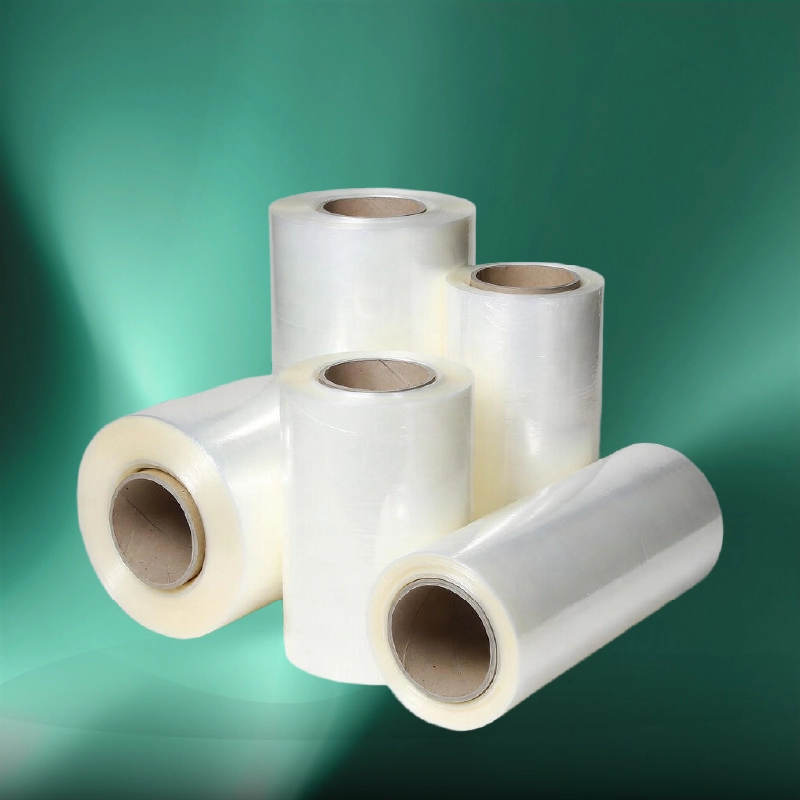
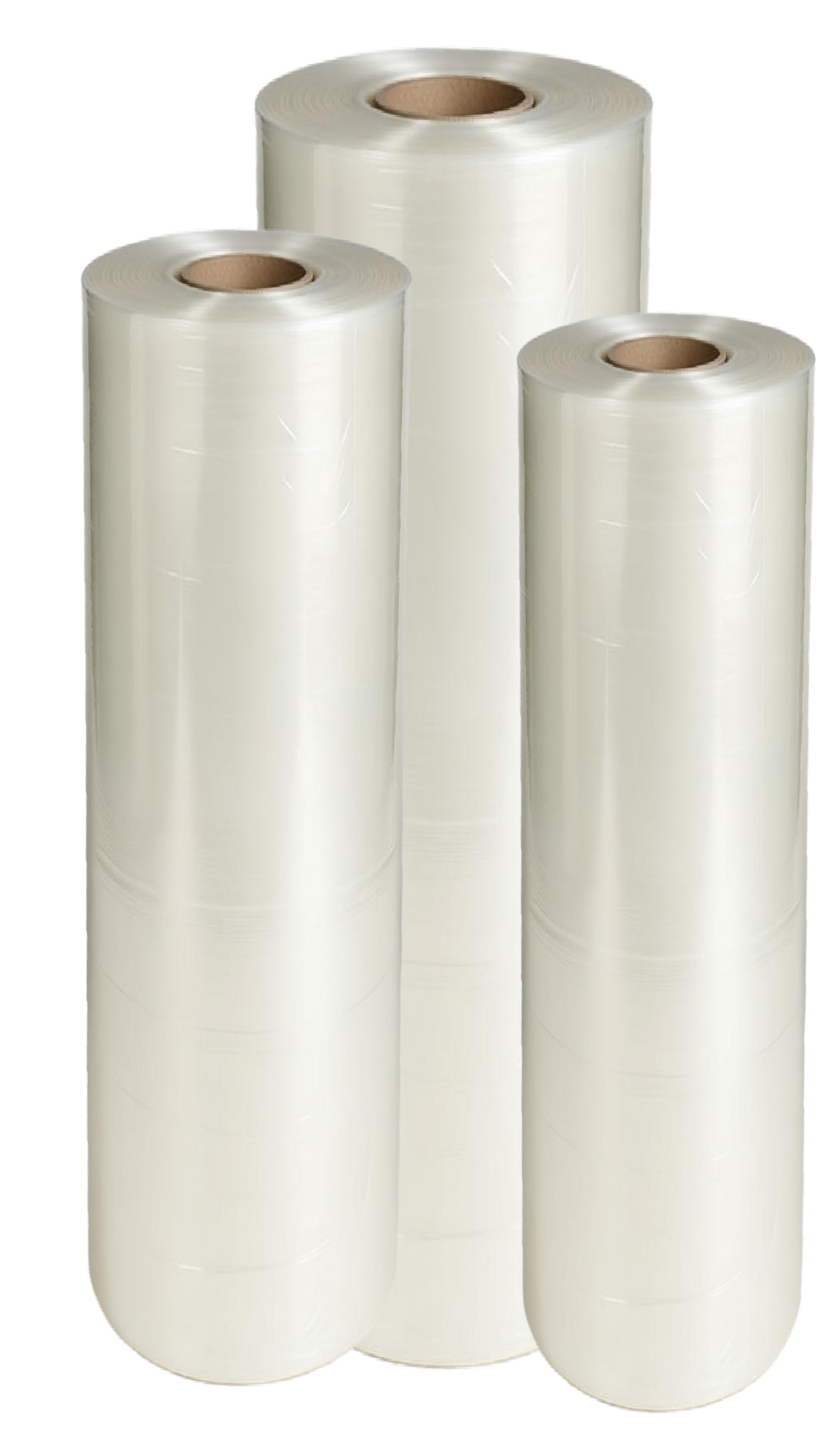
En la industria alimentaria actual, la vida útil y la integridad del producto ya no son solo "deseables", sino esenciales. Ya sea que esté envasando bocadillos, comidas preparadas o productos frescos, la base de la estructura de su envase juega un papel fundamental. Ahí es donde película base para embalaje flexible entra.
Según mi experiencia trabajando con empresas de conversión y marcas de alimentos, la elección correcta de la película base puede marcar la diferencia entre un producto que se conserva bien durante el transporte y uno que fracasa antes de llegar al estante.
Por qué la película base importa más de lo que crees
A primera vista, la película base podría parecer simplemente una capa de soporte. En realidad, determina la resistencia mecánica, la capacidad de impresión, el sellado y la compatibilidad con recubrimientos o laminados de barrera.
Cuando se busca un rendimiento de alta barrera, no solo se elige un material, sino que se construye un sistema. Películas como película de polipropileno biaxialmente orientado (BOPP), El PET y el nailon ofrecen diferentes ventajas. La clave está en adaptar estas propiedades a la sensibilidad del producto al oxígeno, la humedad y la luz.
Por ejemplo:
- Los aperitivos secos se benefician de las barreras contra la humedad.
- La carne y los productos lácteos requieren fuertes barreras de oxígeno.
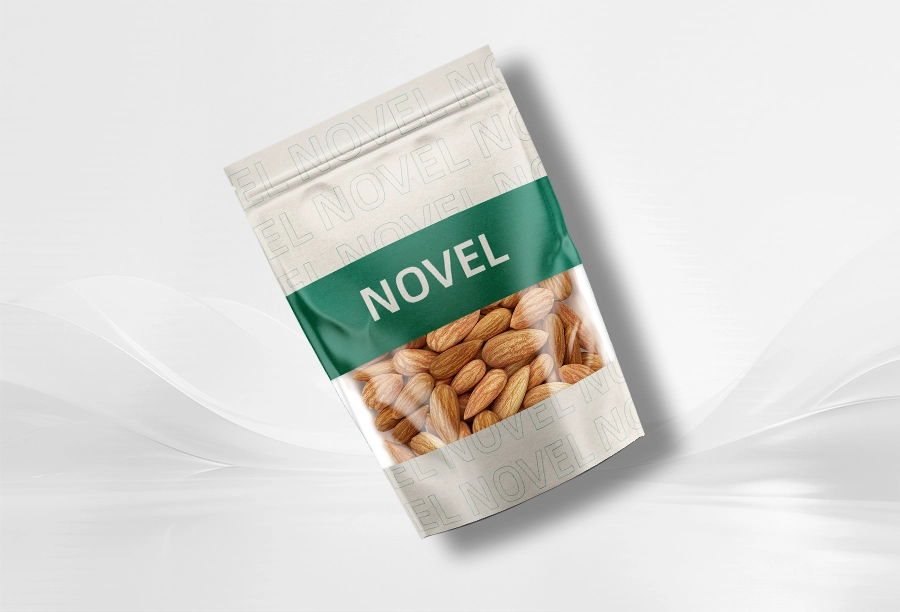
- El café y los frutos secos a menudo necesitan retener el aroma.
Factores clave a considerar
1. Requisitos de barrera
Comprender la vulnerabilidad de su producto es el primer paso. Para los alimentos sensibles al oxígeno, combinar su película de embalaje de alta barrera Los recubrimientos como el EVOH o el óxido de aluminio pueden prolongar significativamente la vida útil.
2. Resistencia mecánica y flexibilidad
La durabilidad durante el transporte es importante. Una buena Película base apta para uso alimentario para envases Debe resistir las perforaciones y mantener su integridad bajo presión, especialmente en líneas de llenado de alta velocidad.
3. Compatibilidad con la laminación
La mayoría de los envases modernos son multicapa. película de embalaje flexible multicapa Debe adherirse bien con adhesivos o recubrimientos de extrusión sin comprometer la transparencia ni el rendimiento de la barrera.
4. Eficiencia de procesamiento
No todas las películas funcionan igual de bien en todas las máquinas. La facilidad de procesamiento, el grosor uniforme y la estabilidad térmica suelen pasarse por alto, hasta que la producción se ralentiza.
Opciones de materiales comunes
- BOPPRentable, buena barrera contra la humedad, excelente para productos secos.
- MASCOTAAlta resistencia, buena resistencia a la temperatura, ideal para esterilización en autoclave o llenado en caliente.
- Nylon (PA)Resistencia superior a la perforación, frecuentemente utilizada en envasado al vacío.
- PE (Polietileno)Capa de sellado común con buena flexibilidad
Un diseño bien sustrato de embalaje de plástico flexible A menudo combina dos o más de estos elementos para equilibrar el rendimiento y el coste.
Equilibrar rendimiento y sostenibilidad
La sostenibilidad se está convirtiendo en un factor decisivo. Muchas marcas están explorando estructuras monomateriales o soluciones reciclables. Sin embargo, siempre existe una disyuntiva entre la reciclabilidad y el rendimiento de la barrera.
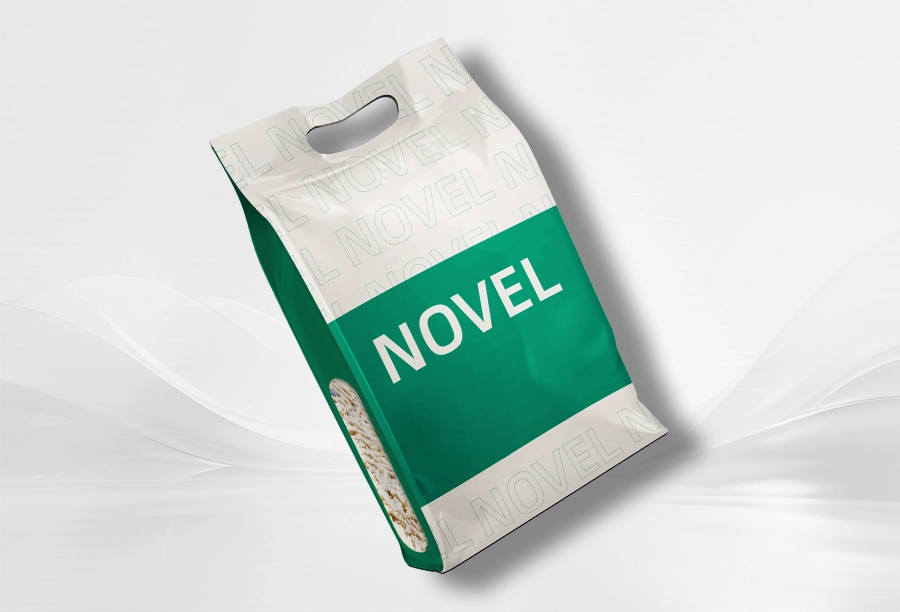
Aquí es donde proveedores como Novel están centrando sus esfuerzos: en el desarrollo Películas base de alto rendimiento para el envasado de alimentos. que respalden tanto la protección del producto como los objetivos medioambientales. No se trata de reinventarlo todo de la noche a la mañana, sino de tomar decisiones más inteligentes en materia de materiales.
Consejo práctico desde el terreno
Si no sabes por dónde empezar, haz pruebas a pequeña escala. Las pruebas piloto con diferentes estructuras de película pueden revelar problemas que las especificaciones por sí solas no muestran: problemas de sellado, comportamiento de curvatura o inconsistencias en la adhesión de la impresión.
Además, involucre a su proveedor de film desde el principio. Un socio confiable no solo vende material, sino que también ayuda a optimizar toda la estructura de su empaque.
Preguntas frecuentes
P1: ¿Cuál es la mejor película base para envases de alimentos de alta barrera?
No existe una respuesta única para todos los casos. Depende del producto. El PET combinado con recubrimientos de barrera es común para alimentos sensibles al oxígeno, mientras que el BOPP funciona bien para aplicaciones sensibles a la humedad.
P2: ¿Pueden las películas de embalaje flexible ser a la vez de alta barrera y reciclables?
Sí, pero es un reto. Las estructuras monomateriales de PE o PP están mejorando, aunque es posible que aún no igualen el rendimiento de las barreras multicapa tradicionales en todos los casos.
P3: ¿Cómo puedo mejorar la vida útil de mis alimentos envasados?
Empiece con lo correcto película barrera contra el oxígeno y la humedad, Luego, optimice el sellado, las condiciones de almacenamiento y el diseño del empaque. Incluso pequeñas mejoras en las propiedades de barrera pueden tener un gran impacto.
Reflexiones finales
Elegir el adecuado película base para embalaje flexible No se trata tanto de elegir un material de una lista, sino de comprender el recorrido del producto, desde su producción hasta su consumo. Con el equilibrio adecuado entre eficacia de barrera, procesabilidad y sostenibilidad, puedes proteger tanto tu producto como la reputación de tu marca.
Si estás trabajando en la mejora de tu embalaje, merece la pena examinar más de cerca tu película base; puede que esté haciendo más (o menos) de lo que crees.