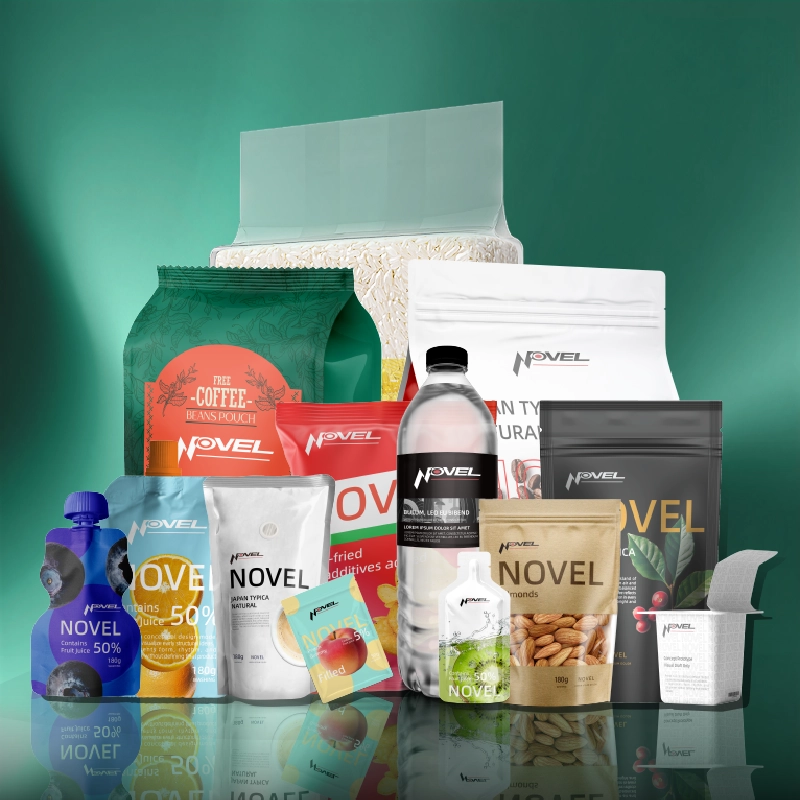




Principales tendencias en soluciones de embalaje flexible a medida para empresas de fabricación de alimentos sostenibles.
Fecha de lanzamiento: 16 de abril de 2026
La industria de fabricación de alimentos está experimentando actualmente un profundo cambio de paradigma. Impulsadas por regulaciones ambientales cada vez más estrictas y una base de consumidores cada vez más consciente de su huella ecológica, las marcas se ven obligadas a repensar cómo distribuyen sus productos al mercado. En el centro de esta transformación se encuentra la rápida evolución de envases alimentarios sostenibles. Han quedado atrás los tiempos en que los plásticos rígidos de un solo uso y los pesados envases de vidrio eran la opción por defecto. Hoy en día, la atención se centra en la agilidad, la responsabilidad ambiental y el diseño innovador.
Para los fabricantes de alimentos modernos, mantenerse competitivos significa adoptar los últimos avances en soluciones de embalaje flexible a medida. Este versátil formato de envase no solo minimiza el impacto ambiental, sino que también ofrece oportunidades de marca inigualables y una mayor eficiencia logística. Exploremos las principales tendencias que están dando forma al futuro del envasado flexible sostenible en el sector alimentario.
1. La transición a estructuras monomateriales
Históricamente, los envases flexibles se basaban en películas multicapa que combinaban diferentes tipos de plásticos y aluminio para lograr las propiedades de barrera necesarias para la conservación de los alimentos. Sin embargo, estas estructuras complejas son notoriamente difíciles, si no imposibles, de reciclar. La tendencia más significativa en la actualidad es el cambio hacia películas flexibles monomateriales.
Al diseñar envases fabricados completamente con un solo tipo de polímero (como 100% PE o 100% PP), los fabricantes pueden garantizar que el envase sea totalmente compatible con los flujos de reciclaje existentes. Las tecnologías avanzadas de estiramiento y recubrimiento permiten ahora que estos monomateriales ofrezcan las mismas barreras contra el oxígeno y la humedad que sus predecesores multimateriales. Este avance garantiza que películas flexibles reciclables Ya no son una cuestión de compromiso entre sostenibilidad y protección del producto, sino un requisito estándar para las marcas con visión de futuro.
2. Integración de contenido reciclado posconsumo (PCR).
Para cerrar verdaderamente el ciclo de la economía circular, los fabricantes de alimentos sostenibles van más allá de simplemente hacer que sus envases sean reciclables; están utilizando activamente materiales reciclados en sus nuevos envases. La incorporación de resinas recicladas posconsumo (PCR) en envases flexibles está en auge.
El uso de PCR reduce la dependencia de combustibles fósiles vírgenes y disminuye significativamente la huella de carbono del proceso de producción de envases. Si bien las estrictas regulaciones de la FDA e internacionales rigen el uso de materiales reciclados en contacto directo con alimentos, los innovadores de la industria como Novel han perfeccionado técnicas de extrusión multicapa donde el material PCR se intercala de forma segura entre capas vírgenes. Esto garantiza el cumplimiento con Envases personalizados aptos para uso alimentario estándares a la vez que se mejora drásticamente el perfil medioambiental del producto.
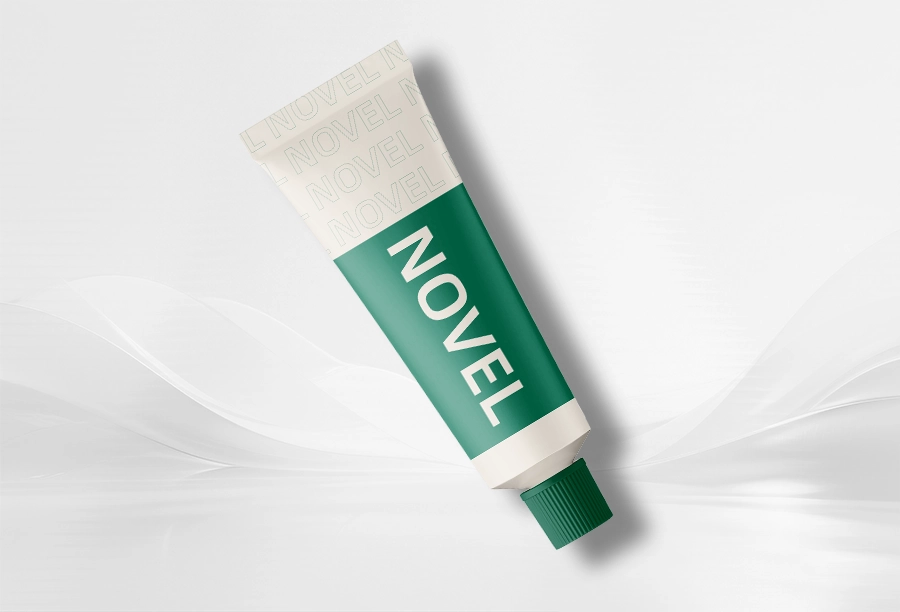
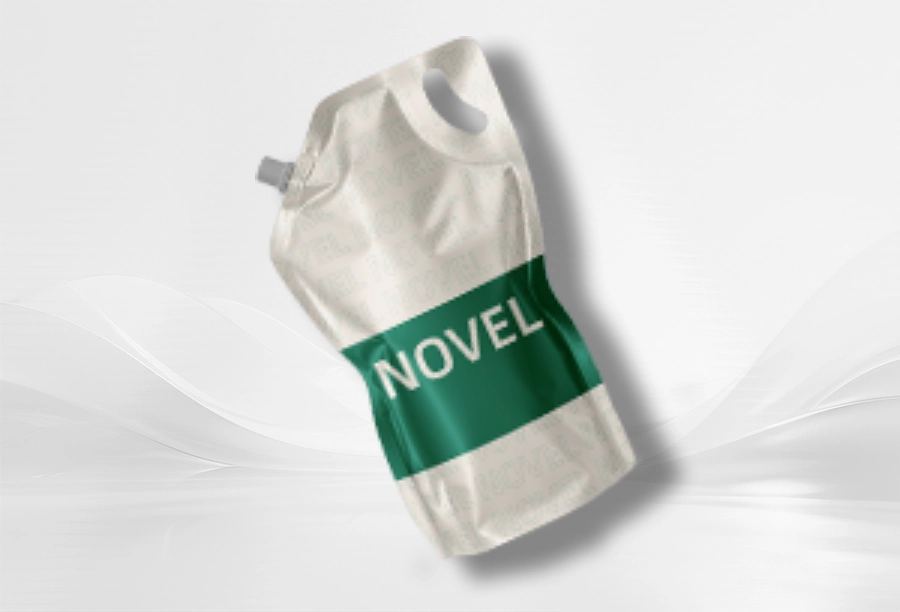
3. Innovaciones de base biológica y compostables
Para las marcas que buscan ir más allá de los límites de la sostenibilidad, los materiales de origen biológico y compostables representan la próxima frontera. Derivados de recursos renovables como el almidón de maíz, la caña de azúcar o la celulosa, estos materiales de embalaje ecológicos Están diseñados para descomponerse en materia orgánica bajo condiciones específicas de compostaje, sin dejar microplásticos tóxicos.
Si bien la infraestructura de compostaje industrial aún se encuentra en desarrollo a nivel mundial, la demanda de estos materiales se ha disparado en los sectores de alimentos orgánicos y naturales. Los fabricantes de alimentos utilizan cada vez más películas compostables para productos secos, aperitivos y frutas y verduras frescas. La clave del éxito reside en equilibrar la biodegradabilidad del material con la vida útil requerida del producto, un área donde la investigación y el desarrollo continuos están dando resultados impresionantes.
4. Diseño inteligente para la reducción de residuos y la comodidad
La sostenibilidad no se trata solo del final de la vida útil del envase; también se trata de prevenir el desperdicio de alimentos, que contribuye enormemente a las emisiones mundiales de gases de efecto invernadero. Bolsas flexibles a medida Se están diseñando con características inteligentes y centradas en el consumidor, pensadas para prolongar la vida útil de los alimentos después de abrirlos.
Características como cremalleras resellables de alta calidad, cierres tipo velcro y válvulas de desgasificación unidireccionales avanzadas (fundamentales para el envasado de café) mantienen los alimentos frescos por más tiempo. Además, el envase flexible permite una evacuación de producto de casi 100%. A diferencia de los frascos o botellas rígidos, donde los alimentos quedan atrapados en las esquinas, las bolsas flexibles garantizan que los consumidores puedan aprovechar hasta la última gota o miga, reduciendo así el desperdicio de alimentos en el hogar.
5. Hiperpersonalización e impresión digital
A medida que se intensifica la batalla por el espacio en los estantes, los fabricantes de alimentos requieren envases que cautiven visualmente al consumidor. El auge de la tecnología de impresión digital ha revolucionado la forma en que las marcas abordan Envases flexibles personalizados para alimentos.
A diferencia de la impresión tradicional en huecograbado, que requiere altos costos de configuración y grandes cantidades mínimas de pedido, la impresión digital permite tiradas cortas, prototipado rápido y variaciones estacionales sin generar desperdicio de inventario. Esto significa que las marcas de alimentos sostenibles pueden lanzar campañas localizadas, imprimir códigos QR únicos para garantizar la transparencia de la cadena de suministro y probar múltiples diseños personalizados de forma rentable. Al asociarse con un proveedor integral como Novel, las marcas pueden aprovechar esta tecnología para comunicar su mensaje de sostenibilidad directamente en el envase, conectando con los consumidores mediante gráficos de alta definición y tintas ecológicas.
6. Reducción de peso para recortar las emisiones de la cadena de suministro
Una de las ventajas más importantes, aunque a menudo pasada por alto, de los envases flexibles en materia de sostenibilidad es su ligereza. Una bolsa flexible utiliza mucho menos material que un tarro de vidrio o un recipiente de plástico rígido para contener el mismo volumen de producto.
Esta drástica reducción de peso se traduce directamente en la cadena de suministro. Los fabricantes de alimentos pueden colocar muchas más bolsas vacías en un solo palé de envío en comparación con los contenedores rígidos. Esto se traduce en menos camiones en la carretera, menor consumo de combustible y una huella de carbono drásticamente reducida para la logística. Al hacer la transición a soluciones de embalaje flexible a medida, Las empresas no solo están mejorando sus envases, sino que también están optimizando toda su red de distribución para un futuro más ecológico.
Conclusión
La intersección entre la fabricación de alimentos y la sostenibilidad es un área de rápida innovación y un riguroso escrutinio por parte del consumidor. Al adoptar monomateriales, contenido reciclado posconsumo (PCR), diseño inteligente y las ventajas logísticas de la reducción de peso, las marcas de alimentos pueden disminuir significativamente su impacto ambiental. Elegir un socio estratégico de envasado como Novel garantiza que las empresas no tengan que sacrificar la integridad del producto ni la estética de la marca para alcanzar sus objetivos ecológicos. El futuro del envasado de alimentos es flexible, funcional e innegablemente ecológico.
Preguntas frecuentes (FAQ)
P1: ¿Cómo ayudan las soluciones de embalaje flexible personalizadas a reducir la huella de carbono total de una empresa alimentaria?
A: Los envases flexibles requieren mucha menos energía y agua para su fabricación en comparación con los envases rígidos tradicionales, como los de vidrio o metal. Además, su ligereza y tamaño compacto reducen drásticamente las emisiones del transporte, ya que se pueden enviar muchas más unidades por camión, disminuyendo así el consumo de combustible y las emisiones de gases de efecto invernadero.
P2: ¿Pueden los materiales de embalaje ecológicos seguir proporcionando la protección de barrera necesaria para los alimentos perecederos?
A: Sí, absolutamente. Los avances en la ciencia de los polímeros han propiciado la creación de monomateriales reciclables de alta barrera y películas compostables avanzadas. Estos materiales están diseñados con recubrimientos y capas específicas que bloquean eficazmente el oxígeno, la humedad y la luz ultravioleta, garantizando que la vida útil y la seguridad de los alimentos perecederos se mantengan con la misma eficacia que con los plásticos no reciclables tradicionales.
P3: ¿Las bolsas flexibles sostenibles y altamente personalizadas cumplen con las estrictas normas de seguridad alimentaria?
A: Los fabricantes de envases de renombre garantizan que todos los envases personalizados aptos para alimentos cumplan estrictamente con las normas de la FDA, la EFSA y otras normas internacionales de seguridad alimentaria pertinentes. Incluso al utilizar plásticos reciclados posconsumo (PCR) o nuevos materiales de base biológica, se emplean técnicas de fabricación avanzadas (como capas de barrera funcionales) para garantizar que ningún contaminante dañino pueda migrar al producto alimenticio.