



How Custom Injection Molding Solves Sealing Failures in Flexible Packaging
Release time: 2026-06-24
Table of Contents
A leaking spout pouch is rarely a packaging design failure — it’s usually a closure tolerance failure. When a cap doesn’t seat correctly, or a spout’s wall thickness varies batch to batch, the result is product loss, customer complaints, and in food and pharma categories, potential recall exposure.
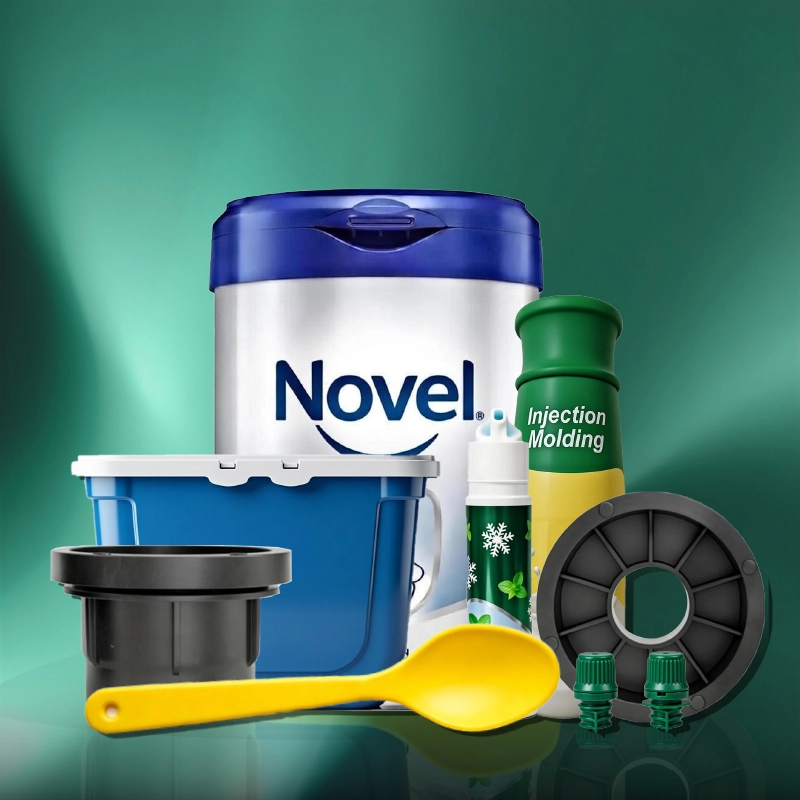
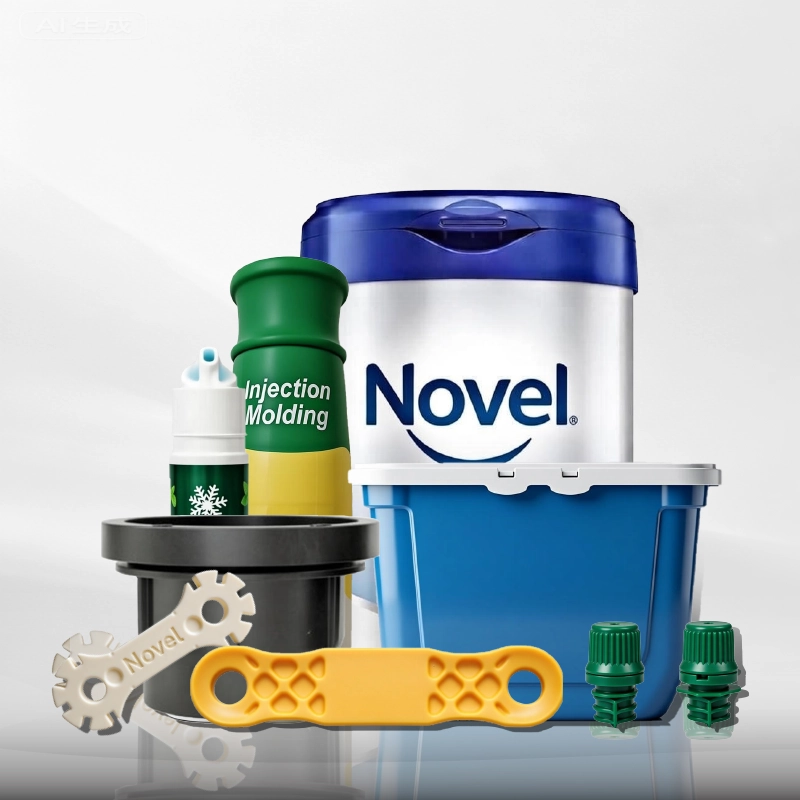
This is exactly the gap custom injection molding is built to close. Unlike generic, off-the-shelf closures, custom-molded components — spouts, flip-top caps, nozzle caps, measuring scoops — are engineered around the specific film, fill, and seal parameters of the packaging they’re paired with.
What Causes Sealing Failures in the First Place?
Before evaluating a fix, it’s worth isolating the root causes most converters actually see on the line:
- Dimensional inconsistency between cap threads and pouch fitments from generic, low-tolerance molds
- Material mismatch — a closure resin that doesn’t bond cleanly with the film’s heat-seal layer
- Wall thickness variation causing uneven compression force during capping
- Thermal stress during retort or hot-fill cycles that standard closures weren’t designed to withstand
Each of these traces back to one thing: the mold and resin weren’t designed for that specific packaging application.
How Precision Injection Molding Addresses Each Failure Point
Custom tooling allows manufacturers to engineer around the exact failure mode rather than applying a generic fix:
- Tight dimensional tolerances on thread and seal interfaces, reducing torque variance during capping
- Resin selection matched to film chemistry, ensuring compatible heat-seal bonding rather than relying on mechanical pressure alone
- Wall thickness control validated through mold-flow simulation before tooling is cut
- Food-grade, retort-stable materials rated for both high-temperature sterilization and cold-chain storage
Custom vs. Generic Closures: Where the Difference Actually Shows Up
| Factor | Custom Injection-Molded Closure | Generic Off-the-Shelf Closure |
|---|---|---|
| Tolerance control | Engineered to film/fitment spec | Fixed, non-adjustable |
| Resin-film compatibility | Matched at design stage | Often unverified |
| Retort/hot-fill rating | Validated for thermal cycling | Frequently untested |
| Leak/seal failure rate | Lower, application-specific design | Higher in edge-case applications |
| Customization (shape, color, function) | Full flexibility | Limited to existing molds |
Where This Matters Most
Sealing tolerance isn’t equally critical everywhere — it matters most where the cost of failure is highest:
- Pet food and pharma pouches, where seal failure means contamination risk, not just a leaking shelf item
- Beverage and condiment spout pouches, where consumer-facing leaks directly damage brand trust
- High-speed filling lines, where even a small tolerance deviation compounds into thousands of defective units per shift
Sealing performance ultimately comes down to whether the closure was engineered for the package — or just fitted to it. Novel Packaging manufactures precision injection-molded components — spouts, flip-top caps, nozzle caps, and reel flanges — built from food-grade resins and validated for high-sealability, impact resistance, and thermal stability across filling, transport, and shelf life. For brands troubleshooting recurring seal failures, our engineering team can review your current fitment specs and recommend a tolerance-matched solution.
FAQ
Q1: What’s the main cause of leaking spout pouches?
Most leaks trace back to dimensional mismatch between the closure and the film fitment, not the film itself.
Q2: Can custom injection molding fix recurring seal failures on existing packaging lines?
Yes, in most cases — re-engineering the closure’s tolerance and resin compatibility resolves the issue without requiring a full packaging redesign.
Q3: Are custom injection-molded parts more expensive than standard closures?
Tooling cost is higher upfront, but the reduction in product loss and rework typically offsets this over a production run.
Q4: Can injection-molded closures withstand retort sterilization?
Yes, when designed with retort-rated resins and validated through thermal cycling tests prior to production.