



Why Multi-Layer Co-Extruded Film Is Replacing Traditional Lamination in 2026
Release time: 2026-06-11
Table of Contents
Packaging engineers running high-speed lines know the frustration well: bubbles in the bond line, solvent odor complaints from QA, and adhesive curing time eating into throughput. As brands push for thinner, faster, and cleaner packaging, a structural shift is happening on the production floor — and it’s moving away from lamination entirely.
That shift has a name: multi-layer co-extruded film. Instead of bonding separate films together with adhesive, this material fuses multiple functional resins — PE, PP, EVOH, PA — into a single substrate in one continuous extrusion pass. No glue, no solvent flash-off, no second pass through a laminator.
What Is Multi-Layer Co-Extruded Film, Exactly?
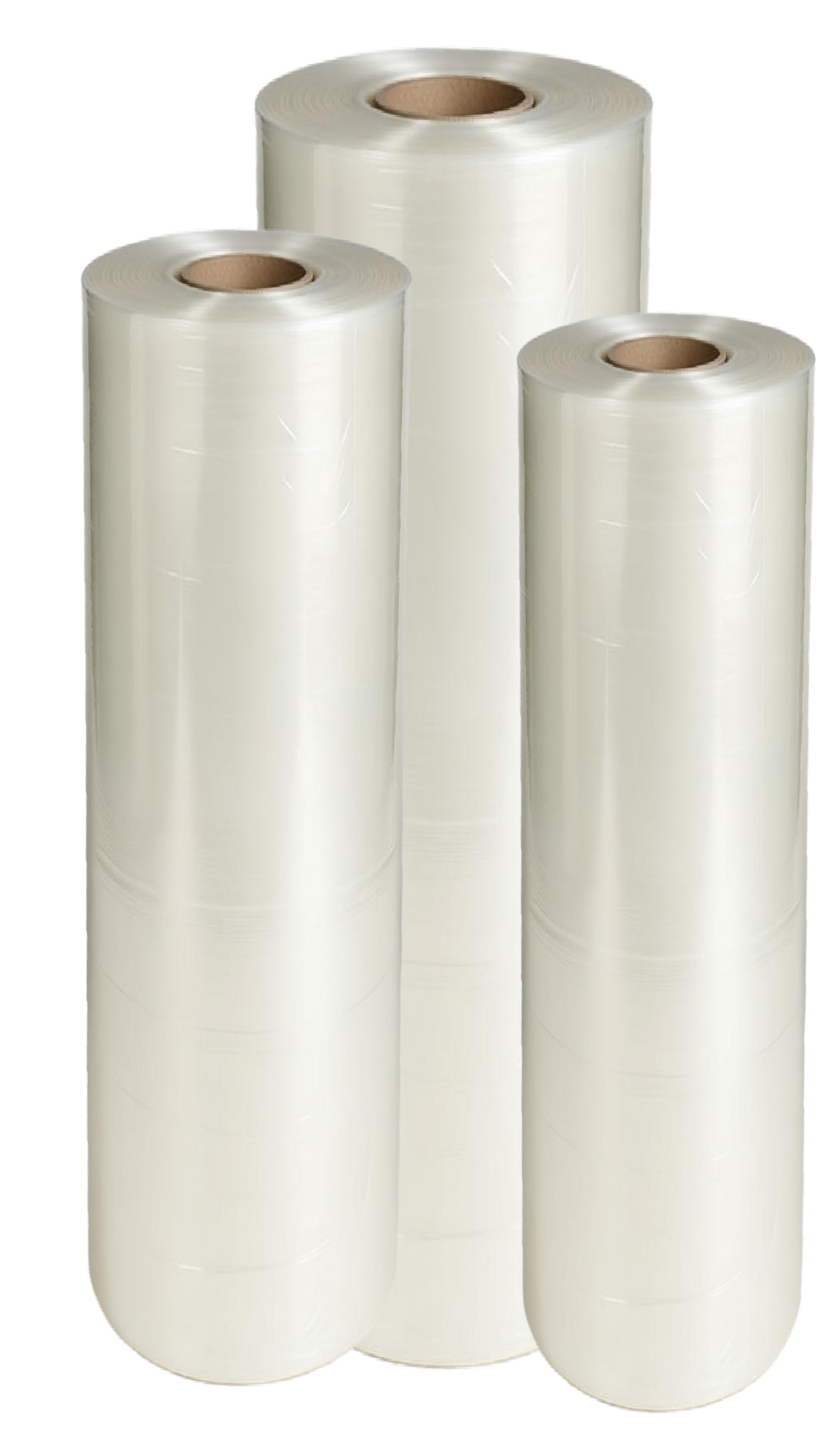
Co-extrusion forces several polymer melts through one die simultaneously, each layer contributing a specific function:
- An EVOH or PA core for oxygen barrier
- PE or PP outer layers for sealability and moisture resistance
- Tie layers that bond dissimilar resins without adhesive chemistry
The result is a homogeneous structure built in a single step, which is precisely why manufacturers are re-evaluating decades-old lamination workflows.
Why Lamination Is Losing Ground in High-Speed Production
Traditional dry/wet lamination still works — but it carries baggage that becomes more expensive as line speeds rise:
- Adhesive cure time limits maximum line speed and creates bottleneck inventory
- Residual solvent (VOC) triggers compliance flags in food-contact audits, especially in the EU and parts of Southeast Asia
- Delamination risk under thermal stress (retort, hot-fill) when bond strength degrades
- Layer count cost — each additional barrier layer in lamination means another machine pass, another adhesive cost, another failure point
Co-extruded structures sidestep nearly all of this because the bond between layers is molecular, not chemical-adhesive.
Co-Extrusion vs. Lamination: A Side-by-Side Comparison
| Parameter | Multi-Layer Co-Extruded Film | Traditional Laminated Film |
|---|---|---|
| Production steps | Single-pass extrusion | Multiple passes (coating + drying + curing) |
| Solvent/VOC exposure | None | Present in solvent-based adhesives |
| Bond mechanism | Molecular fusion | Adhesive layer |
| Heat resistance | High, suited for retort packaging | Adhesive can soften/delaminate |
| Cost per added barrier layer | Marginal (within one die) | Significant (new pass required) |
| Typical lead time | Shorter | Longer due to curing cycles |
Where Co-Extruded Film Delivers the Biggest ROI
This isn’t a one-size-fits-all upgrade — it earns its place fastest in specific applications:
- Retort pouches for wet pet food and ready meals, where adhesive layers historically failed under sterilization heat
- High-barrier snack and dairy packaging, where oxygen ingress directly shortens shelf life
- Industrial liners requiring puncture resistance without added film weight
For brand owners managing margin pressure, fewer production passes also mean fewer quality-control checkpoints — a quieter but very real cost saving.
As demand for recyclable, mono-resin-leaning structures grows alongside extended producer responsibility (EPR) regulation worldwide, co-extruded film is also better positioned than laminate stacks for simplified end-of-life sorting, since fewer dissimilar materials are bonded together.
Novel Packaging has spent over three decades refining film extrusion at scale — from BOPP and CPP to advanced multi-layer co-extruded structures engineered for barrier performance, thermal stability, and production efficiency. For brands evaluating a move away from lamination, our technical team can match resin structure to your specific filling, sealing, and shelf-life requirements.
FAQ
Q1: Is co-extruded film more expensive than laminated film?
Per-meter material cost can be comparable or slightly higher, but total landed cost is often lower once adhesive, solvent recovery, and rework rates are factored in.
Q2: Can co-extruded film replace lamination in retort packaging?
Yes — it’s one of the strongest use cases, since the absence of an adhesive bond removes the primary failure point under sterilization heat.
Q3: Does co-extrusion limit barrier performance compared to multi-material laminates?
Not significantly. With an EVOH or PA core layer, co-extruded film achieves comparable oxygen barrier values while improving processability.
Q4: Is multi-layer co-extruded film recyclable?
Recyclability depends on resin compatibility. Mono-material-leaning co-extruded structures (e.g., all-PE) are increasingly designed for single-stream recycling.