



How Does High-Performance Base Film Improve Flexible Packaging Quality and Shelf Life?
Release time: 2026-07-10
Table of Contents
In today’s packaging industry, protecting product quality goes far beyond simply covering a product. Food brands, pharmaceutical companies, and consumer goods manufacturers are facing increasing challenges, including longer supply chains, stricter safety regulations, and growing demand for sustainable packaging solutions. The performance of packaging materials directly influences product freshness, shelf life, and customer experience.
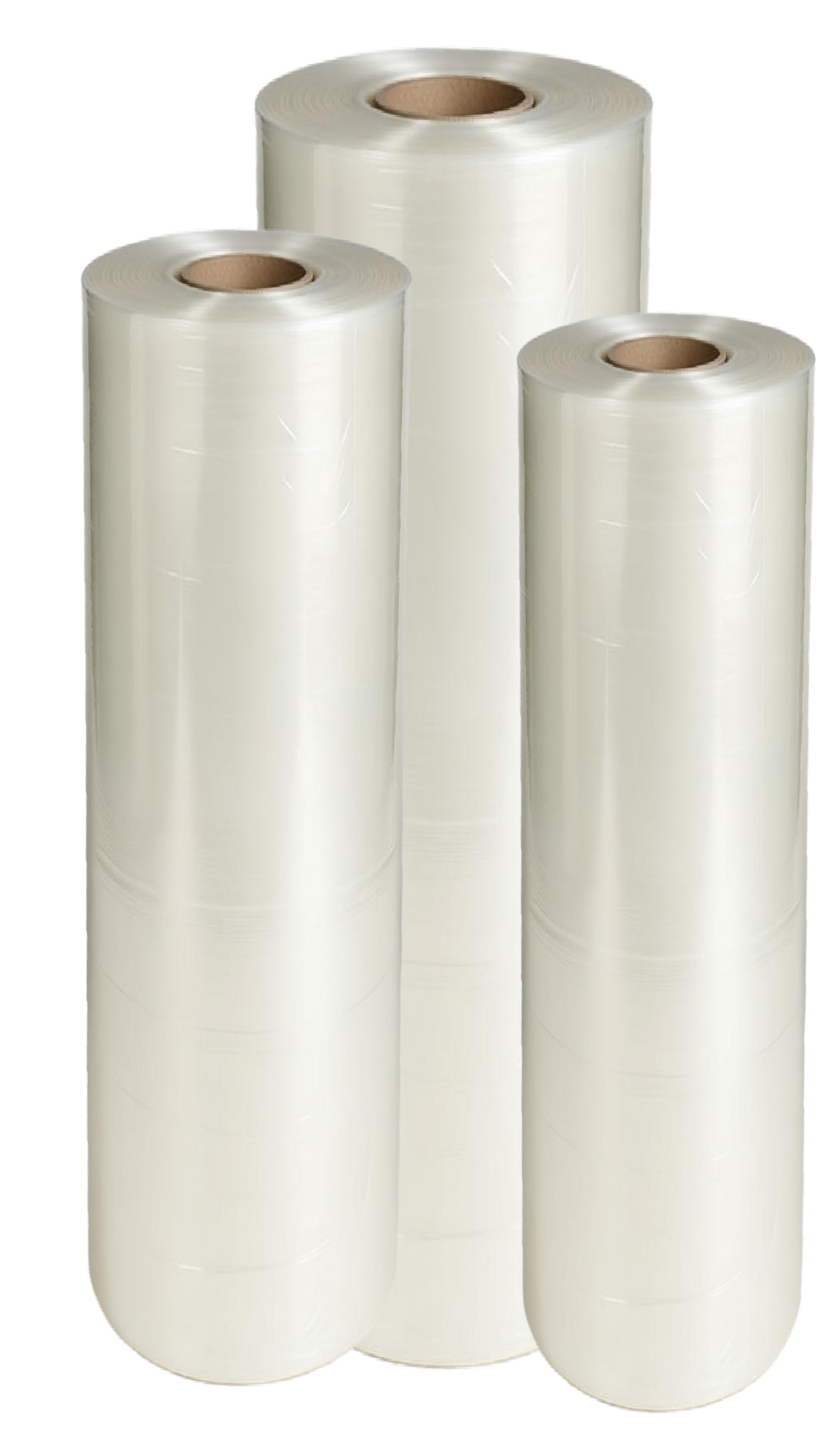
As a fundamental layer in modern flexible packaging structures, Base Film plays a critical role in determining mechanical strength, barrier performance, printability, and processing efficiency. Choosing the right film material allows brands to achieve better product protection while improving packaging reliability and production efficiency.
With advances in film technology, high-performance materials are helping manufacturers move from traditional packaging toward smarter, more sustainable, and more functional solutions.
Why Is Base Film Essential for Modern Flexible Packaging?
Flexible packaging has become one of the fastest-growing segments in the global packaging market because of its lightweight structure, cost efficiency, and adaptability. However, the performance of flexible packaging depends heavily on the quality of its base materials.
A high-quality Base Film provides the foundation for packaging performance by balancing multiple properties, including:
- Mechanical strength
- Heat sealing capability
- Transparency
- Surface treatment performance
- Barrier protection
- Processing stability
Different applications require different film characteristics. For example:
- PE Film is widely used because of its flexibility, toughness, and excellent sealing performance.
- CPP Film provides high transparency and strong heat-sealing capability, making it suitable for food packaging applications.
- BOPP Film offers superior stiffness, dimensional stability, and excellent printing performance.
- Multi-layer Co-extruded Film combines different materials to achieve customized barrier and mechanical properties.
A reliable packaging structure is not created by one material alone. Instead, it requires carefully selected film properties that match the product’s protection requirements.
How Does High-Performance Base Film Extend Product Shelf Life?
Shelf life is one of the most important considerations for brands, especially in food and pharmaceutical industries. Products can deteriorate when exposed to oxygen, moisture, ultraviolet light, or external contamination.
High-performance packaging materials help minimize these risks through advanced barrier technologies.
1. Improving Oxygen Barrier Performance
Oxygen exposure can negatively affect many products by causing:
- Oxidation
- Flavor loss
- Color changes
- Reduced nutritional value
For products such as coffee, snacks, and processed foods, oxygen control is essential.
Modern High Barrier Packaging Film solutions use advanced material combinations, including:
- Metallized layers
- Functional coatings
- Multi-layer structures
to reduce oxygen transmission and maintain product freshness for longer periods.
2. Enhancing Moisture Protection
Moisture control is another key factor in packaging performance.
Excess moisture can create problems such as:
- Loss of product texture
- Reduced product stability
- Microbial growth risks
- Powder agglomeration
Different industries have different moisture protection requirements:
| Industry | Common Challenge | Required Film Performance |
|---|---|---|
| Snack Food | Loss of crispness | Moisture barrier |
| Coffee | Aroma degradation | Oxygen and moisture protection |
| Pharmaceuticals | Product stability | High protection barrier |
| Household Products | Leakage prevention | Strong sealing performance |
By selecting suitable film structures, manufacturers can significantly improve product durability during transportation and storage.
How Does Flexible Packaging Film Improve Manufacturing Efficiency?
Packaging performance is not only determined by the final product protection. Manufacturing efficiency is equally important for packaging producers.
Poor-quality film materials may result in:
- Uneven printing
- Poor lamination results
- Weak sealing strength
- Equipment downtime
- Higher production waste
High-quality Flexible Packaging Film helps manufacturers achieve more stable production through:
Better Printing Performance
Modern packaging often requires high-quality graphics to attract consumers. Films need suitable surface properties to support:
- Gravure printing
- Flexographic printing
- Digital printing technologies
A stable film surface improves ink adhesion and reduces printing defects.
Improved Processing Stability
During high-speed packaging operations, film materials must maintain:
- Consistent thickness
- Stable dimensions
- Reliable sealing performance
This is particularly important for automated packaging lines where small material variations can create significant production losses.
Base Film Types Comparison for Different Packaging Applications
Different film materials provide different advantages depending on application requirements.
| Film Type | Key Advantages | Typical Applications |
|---|---|---|
| PE Film | Flexible, durable, excellent sealing | Food bags, industrial packaging |
| CPP Film | High transparency, strong heat sealing | Snack packaging, inner packaging layers |
| BOPP Film | High strength, excellent printability | Labels, food packaging, retail products |
| Metallized Film | Improved barrier and appearance | Premium food packaging |
| Co-extruded Film | Customized functional layers | High-performance packaging |
Selecting the right material requires consideration of product sensitivity, packaging equipment, transportation conditions, and regulatory requirements.
Why Are Sustainable Packaging Films Becoming More Important?
Sustainability has become a major priority across the global packaging industry.
Brands are now looking for solutions that can provide both performance and environmental benefits, including:
- Reduced material consumption
- Improved recyclability
- Mono-material packaging structures
- Lower carbon footprint
As a result, Sustainable Packaging Film technology is gaining increasing attention.
Traditional packaging structures often combine multiple materials that are difficult to recycle. New-generation film solutions focus on simplified structures while maintaining essential protection performance.
For packaging manufacturers, future competitiveness will depend not only on production capacity but also on the ability to provide environmentally responsible material solutions.
What Should Companies Consider When Choosing a Base Film Manufacturer?
Selecting a suitable supplier is a strategic decision that affects packaging quality and long-term business performance.
Before choosing a Base Film Manufacturer, companies should evaluate several important factors:
| Evaluation Criteria | Importance |
|---|---|
| Manufacturing Experience | Ensures professional production capability |
| Material Technology | Determines film performance and reliability |
| Quality Control System | Reduces defects and production risks |
| Customization Capability | Meets different industry requirements |
| Sustainable Development Ability | Supports future market trends |
A professional supplier should provide more than standard materials. It should offer technical support, customization options, and consistent quality management.
Why Choose Novel Packaging for Advanced Film Solutions?
With more than 33 years of experience in the packaging industry, Huangshan Novel Co., Ltd. has established comprehensive capabilities covering film production, packaging materials, and related solutions.
Novel Packaging develops and supplies various high-performance film products, including PE Film, CPP Film, BOPP Film, Metallized Film, Multi-layer Co-extruded Film, and Coated Film. These solutions support diverse applications across food packaging, consumer products, and industrial markets.
Through integrated manufacturing capabilities, strict quality control, and continuous material innovation, Novel Packaging helps global customers achieve reliable packaging performance, improved product protection, and more sustainable packaging development.
For companies searching for a trusted Base Film Manufacturer, Novel Packaging provides professional material solutions designed to meet evolving market requirements.
FAQ About Base Film
What is Base Film used for?
Base Film is a core material used in flexible packaging structures. It provides essential properties such as strength, flexibility, sealing performance, and protection against external factors.
How does high-performance Base Film improve shelf life?
High-performance Base Film reduces the impact of oxygen, moisture, and light exposure, helping maintain product freshness and stability during storage and transportation.
What is the difference between BOPP Film and CPP Film?
BOPP Film provides higher stiffness, strength, and printing performance, while CPP Film offers excellent heat sealing ability and flexibility. The choice depends on specific packaging requirements.
Can Base Film support sustainable packaging solutions?
Yes. Modern Base Film technologies increasingly focus on recyclable materials, mono-material structures, and lightweight packaging designs to support sustainability goals.
How can companies choose the right Base Film supplier?
Companies should consider production experience, quality systems, technical capabilities, customization services, and long-term supply stability when selecting a reliable supplier.